
Visit Socotra
Planning Your Socotra Expedition: What to Arrange Before You Travel
From choosing your departure to coordinating flights and preparing for camping — the practical steps to plan your 8-day Socotra expedition
August 25, 2026
Start with your departure date
A trip to Socotra needs coordination between your expedition dates, flights and travel documents
Our 2026–2027 expedition season runs from October to early May, with two departures per week — each trip lasts 8 days and 7 nights
Start by checking the available departures in our expedition programme and booking options
Coordinate flights before purchasing tickets
International travel arrangements and the flight to Socotra need to fit your selected departure
Confirm the flight schedule and expedition availability with our team before buying tickets, particularly if your journey involves connections or an overnight stop
Flights are separate from the expedition price — allow for them when planning your overall budget
Prepare your travel documents
Visa requirements depend on your nationality and travel arrangements
Contact our team early to confirm the documents needed for your booking and the applicable visa process — check the entry and transit requirements for any other countries on your journey separately
Understand the camping experience
This is a nature, hiking and camping expedition
Our team prepares the camps and provides single or double tents with sleeping mattresses, pillows and blankets — a kitchen team travels with a fully equipped kitchen in a dedicated vehicle
An optional hotel stay on the final night is available at an additional charge, with options and prices shown during booking
Read our camping guide to understand the facilities and daily arrangements before you travel
Pack for time outdoors
Bring comfortable walking shoes, sun protection, a reusable water bottle, a headlamp and a light warm layer for cooler evenings
Choose practical clothing and luggage suited to travelling between locations — confirm baggage allowances with the airline before packing
Tell our team about relevant dietary requirements or mobility needs in advance so we can confirm what can be accommodated
Review your booking before payment
Check the selected dates, traveler details, inclusions, extras and cancellation terms before completing payment
For a clearer picture of the budget, read our guide to Socotra trip costs, then choose your departure through our expedition page
More Socotra Guides & Stories
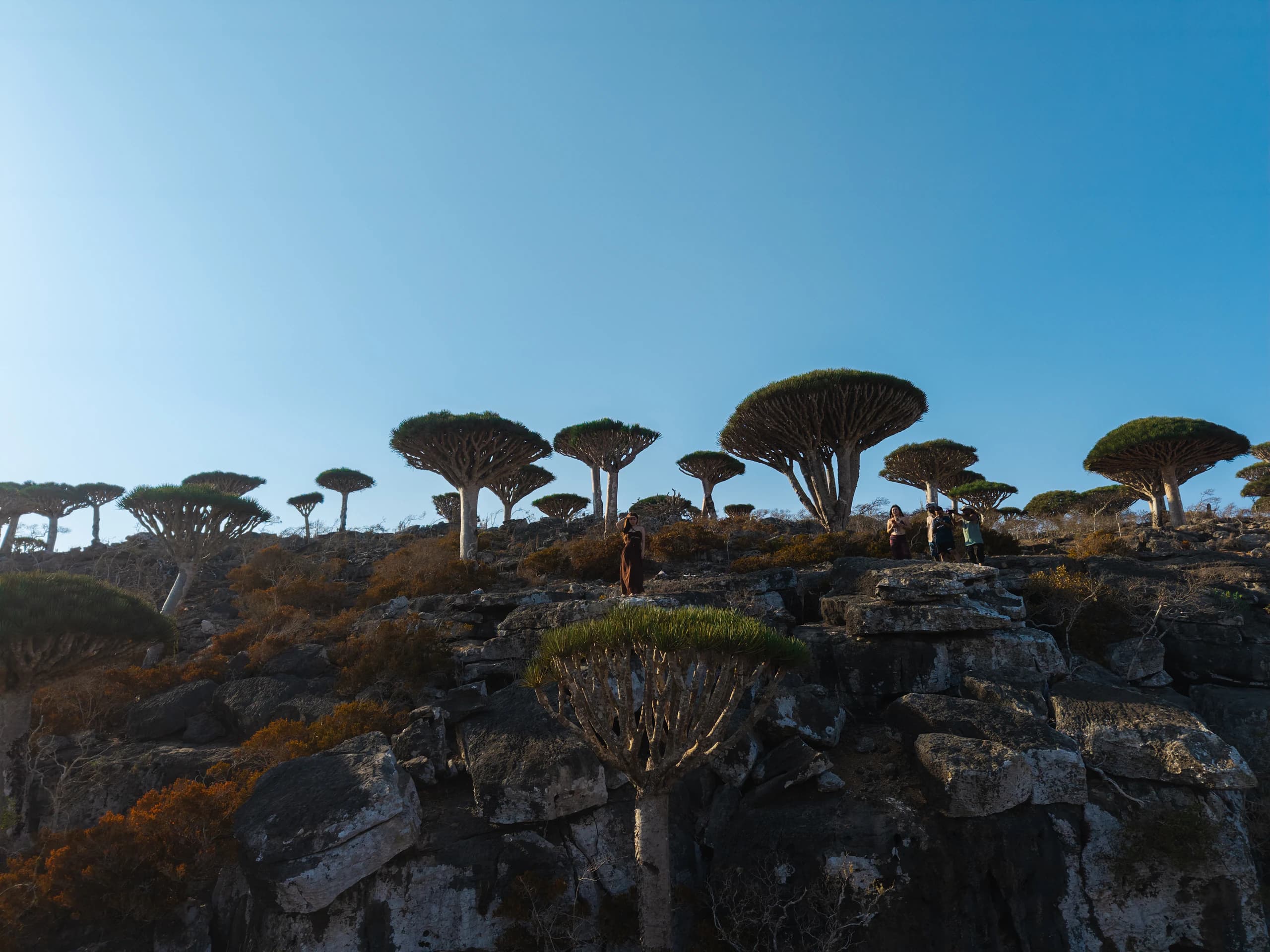
Why Socotra Is Different: Nature, Landscapes & Adventure
Discover Socotra’s Dragon Blood Trees, coastal dunes and mountain landscapes, and how our 8-day hiking and camping expedition explores the island
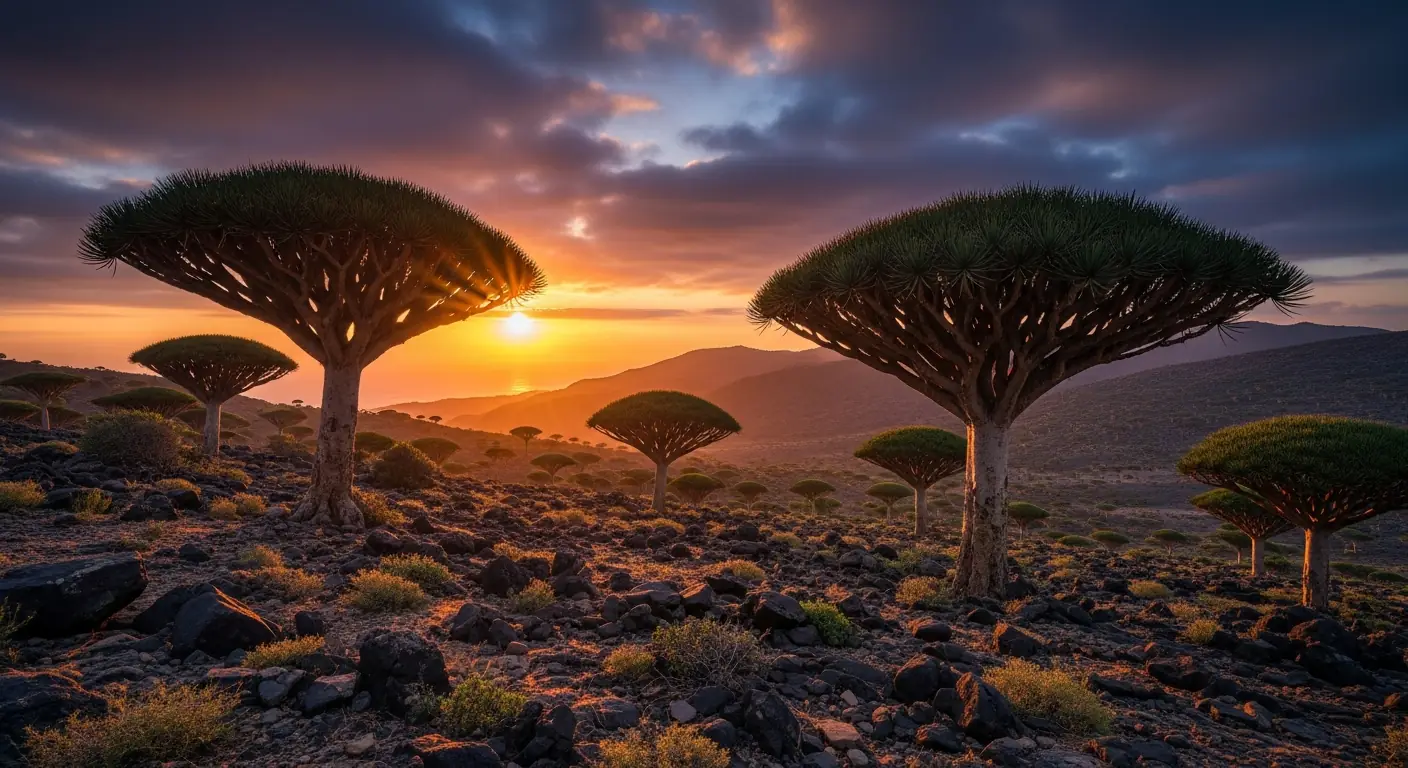
Socotra’s Dragon’s Blood Trees: The Story Behind the Red Resin
Discover Socotra’s iconic Dragon Blood Trees, their umbrella-shaped crowns and red resin, and how to visit them responsibly during your expedition
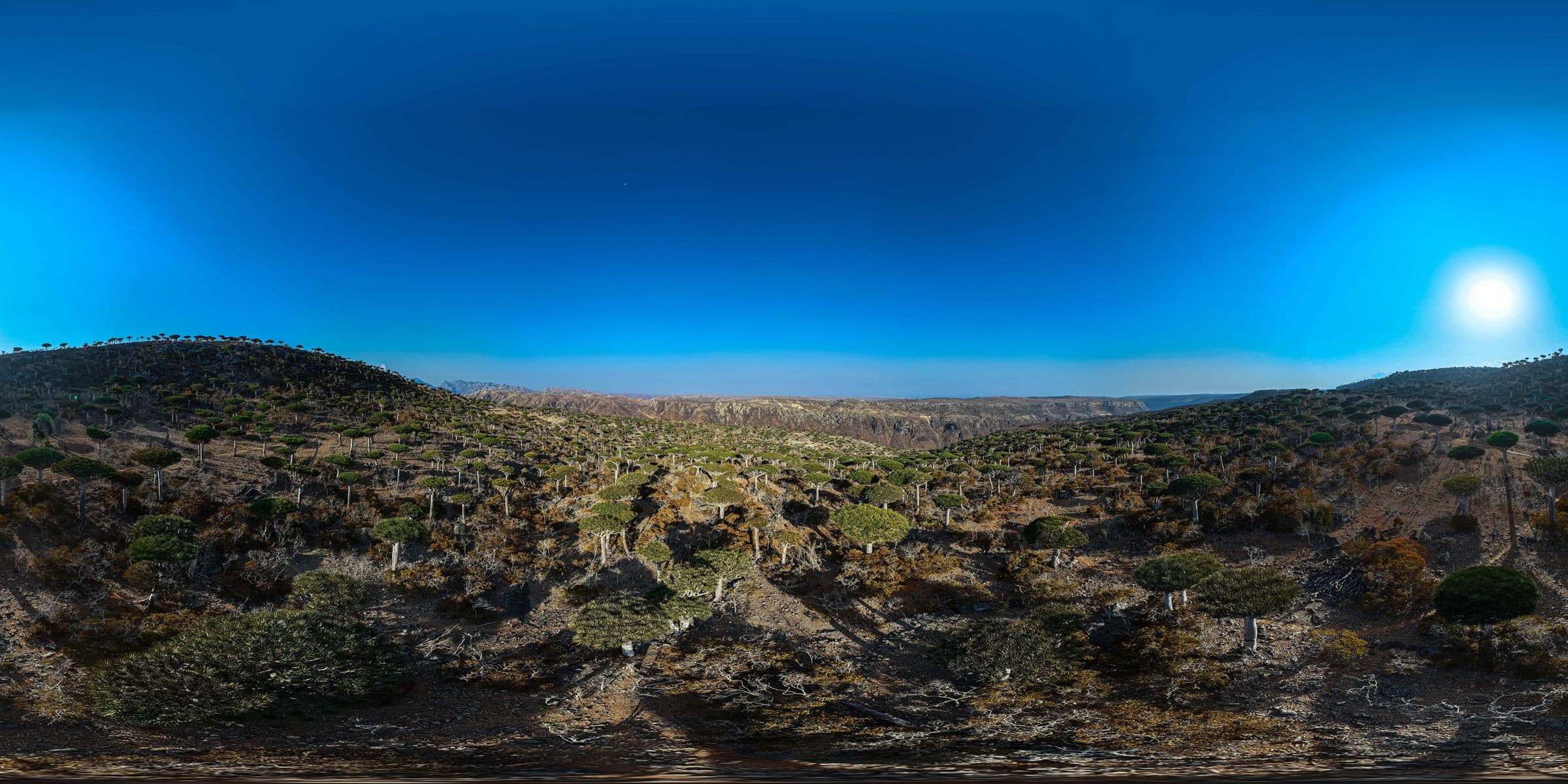
Among Socotra’s Dragon’s Blood Trees
Discover one of Socotra’s defining landscapes: dragon’s blood trees, their umbrella-shaped canopies and the experience of exploring with a local guide